



South Tulum’s new development phase begins with a 5KM run through raw land
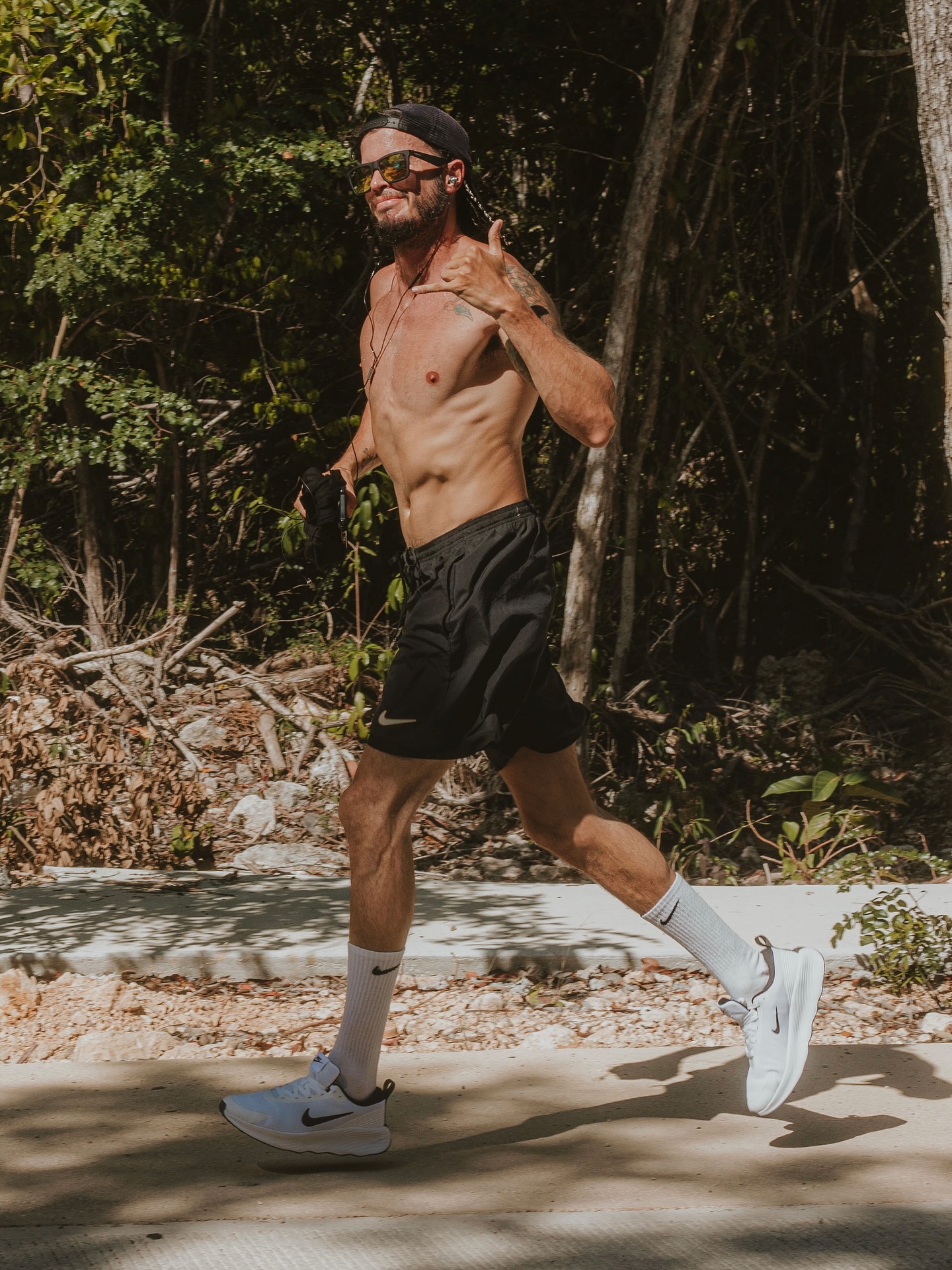
A new initiative in South Tulum is replacing the traditional pre-construction showroom with a pair of running shoes, inviting the public to traverse the physical footprint of the IKTAN development before the first foundation is poured.
On January 31, the IKARIA x Run Tulum 5KM will open a corridor of land in South Tulum that has previously been inaccessible to the public. The event marks the launch of “Open Grounds,” a concept that aims to rethink how real estate projects introduce themselves to the community—prioritizing physical experience over digital renders. The run covers the future boulevards and green corridors of Ikaria, the inaugural residential phase of the IKTAN masterplan.
The event signals a shift in the region’s real estate marketing tactics. As competition tightens and buyers become more discerning about sustainability claims, developers are increasingly looking for ways to prove intentionality rather than just stating it. By allowing the public to run and walk the raw land, the organizers are betting on transparency as a selling point.
And it raises a question that extends beyond one project: in a market saturated with promises of eco-conscious development, can physical access to undeveloped land serve as a new form of accountability?
Things to know when planning your trip to Bacalar
There are a few things to know before planning your visit to Bacalar lagoon and, after our travel, we decided to make a list of them to help other travelers organize the perfect trip to Bacalar. From the choice of the hotel to the best places to visit, from the most delicious restaurants to the things to do in the area, find out how to enjoy this pearl of Mexico at its best!
A route defined by future geometry and ancient geology
The 5KM course is not merely a fitness challenge; it is a tour of the site’s emerging geometry. The route traces the lines of future garden boulevards and biodiverse corridors, framing the two grand cenotes that serve as the anchor points of the property.
Registration opens at 8:00 AM, with the run commencing at 9:30 AM. Following the race, the “Open Grounds” segment invites attendees to walk the land at their own pace or join guided tours. These walkthroughs will outline the preservation of wildlife corridors, amenity zones, and the low-density framework that defines the project. Mexico real estate
“Movement reveals the truth of a place,” stated the IKTAN Creative Direction team in a media release. “The 5KM run is how we introduce Ikaria—through experience before expectation.”
This philosophy stands in contrast to the typical sales model in the Riviera Maya, which often relies heavily on artist impressions and off-site sales centers. Here, the land itself—its contours, light, and vegetation—is the primary exhibit. Tulum real estate
The masterplan, according to the developers, has been shaped by natural features rather than imposed upon them. Boulevards are said to be aligned to light patterns. Biodiverse corridors have been designated to preserve wildlife movement. The cenotes—those geological windows into the Yucatán’s underground aquifer system—anchor the development’s spatial logic.
Whether this design philosophy translates into practice remains to be seen. But the decision to invite public scrutiny at the pre-construction phase is, at minimum, an unusual gesture in a market where finished renders typically precede finished buildings by years.
A shout-out to local movement: Run Tulum
Essential to this activation is the collaboration with Run Tulum. What began as a local community initiative has grown into one of the town’s most recognizable social wellness groups.
Run Tulum has successfully bridged the gap between locals, expats, and tourists, creating a consistent space for connection through movement. Their involvement lends the event credibility within the local athletic community, signaling that this is not just a commercial open house, but a genuine community activation. Riviera Maya properties
“This is a rare chance to run through the future of South Tulum and feel the land before it transforms,” the Run Tulum team noted in a statement.
The partnership reflects a broader pattern in Tulum’s evolving identity. Wellness, once a niche market segment, has become central to how the town markets itself—and how developments position their offerings. Yoga retreats, breathwork ceremonies, and running groups now coexist with real estate launches in ways that would have seemed incongruous a decade ago. Responsible tourism products
For Run Tulum, the collaboration offers exposure and a unique course. For IKTAN, it offers legitimacy and access to a community that values authenticity over salesmanship. Whether the exchange is balanced depends largely on how the event unfolds.

“Let's Have A Boat Trip!”
“Lagoon's Corners”
Beyond the run: A social and industry convergence
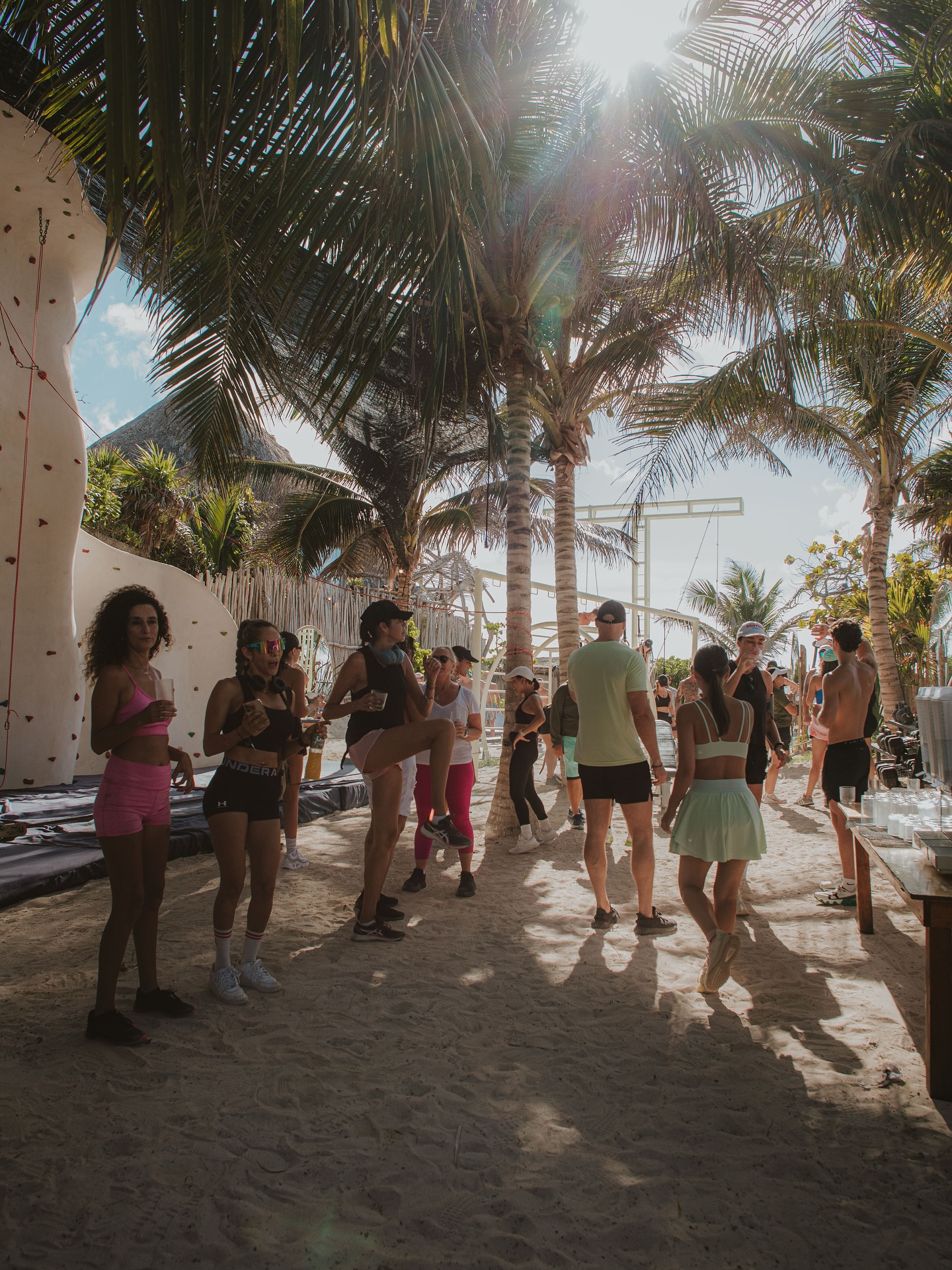
The event is structured to bridge the gap between a community wellness event and a real estate unveil. Post-run, the atmosphere shifts to a social gathering near the cenote edge, featuring music, recovery zones, and refreshments. This “Run Tulum Social” targets local residents, families, and early explorers of the region. Quintana Roo properties
Later in the afternoon, the focus turns to the industry. A “Broker Welcome Hour” at 1:00 PM is designed for partners and industry guests to review the masterplan and discuss the availability of the new phase.
The dual nature of the event—part athletic challenge, part commercial launch—reflects a broader trend in Tulum where lifestyle and investment are increasingly inextricable.
The full program unfolds across the day:
At 8:00 AM, registration opens with hydration stations and orientation. By 8:45 AM, organizers deliver a welcome address outlining the route and safety protocols. The run itself begins at 9:30 AM. At 10:30 AM, the Open Grounds walkthrough commences, with masterplan stations positioned throughout the site. The social gathering runs from 11:00 AM to 1:00 PM, followed by the broker-focused session until 3:00 PM.
The layered structure suggests an awareness that different audiences require different approaches. Morning attendees may be motivated by fitness and curiosity. Afternoon visitors are likely evaluating investment potential. The challenge is serving both without alienating either. Tulum real estate
“Beautiful Spots In Bacalar”

“Time For Mud Baths!”
Open Grounds: Redefining the pre-sale experience
Perhaps the most notable aspect of the event is the “Open Grounds” concept itself. Described by the developers as “a land-led pre-development experience,” it explicitly positions itself as an alternative to the conventional open house.
The premise is straightforward: rather than entering a finished space or a sales center filled with scale models and mood boards, visitors enter the origin point—the land itself. They see the contours, the light, the ecology, and the scale that will define the community before construction begins. Best vacation packages
“It is transparency, intention, and design philosophy in its raw form,” the media release stated.
The concept taps into a growing skepticism among buyers in the Tulum market. Over the past decade, the gap between promotional materials and delivered projects has fueled frustration and, in some cases, legal disputes. Buyers who purchased based on lush renderings have occasionally received developments that diverged significantly from initial promises.
By allowing prospective buyers to walk the actual site, developers may be attempting to reset expectations—or at least demonstrate that the land exists, is accessible, and has the characteristics being claimed. Riviera Maya properties
Whether this represents genuine transparency or sophisticated marketing is a question each visitor will need to answer for themselves.
Transparency vs. marketing in South Tulum
The location of the event is significant. South Tulum is widely regarded as the next frontier for the town’s expansion. As the central and beach zones reach saturation, development is pushing southward, bringing with it both opportunities for better urban planning and concerns regarding environmental impact.
The trajectory is familiar to anyone who has watched Tulum’s transformation over the past fifteen years. What began as a quiet alternative to Cancún’s mass tourism model has become one of Mexico’s most contested development zones. Traffic congestion, strained water infrastructure, and beach erosion have all intensified as visitor numbers and construction permits have climbed. Mexico real estate
South Tulum offers developers something increasingly rare: scale. Large parcels of land that can accommodate masterplanned communities rather than piecemeal construction. The IKTAN project appears to be positioning itself within this opportunity, emphasizing low-density development and ecological preservation.
But promises of sustainability have become so common in Tulum real estate marketing that they risk losing meaning. Nearly every new project claims environmental consciousness. Few provide mechanisms for verification.
While “Open Grounds” is an innovative engagement strategy, it remains, at its core, a promotional vehicle. The challenge for potential buyers and the community will be to assess whether the reality of the development matches the promise of the raw land. Quintana Roo properties
Allowing the public to walk the site “long before the first foundation” offers a level of accountability. Visitors can see the density of the jungle and the condition of the cenotes firsthand. It sets a baseline against which the final construction will inevitably be measured.
“Bacalar Saw From The Sea”

“Ready To Explore The Lagoon”
The cenote question
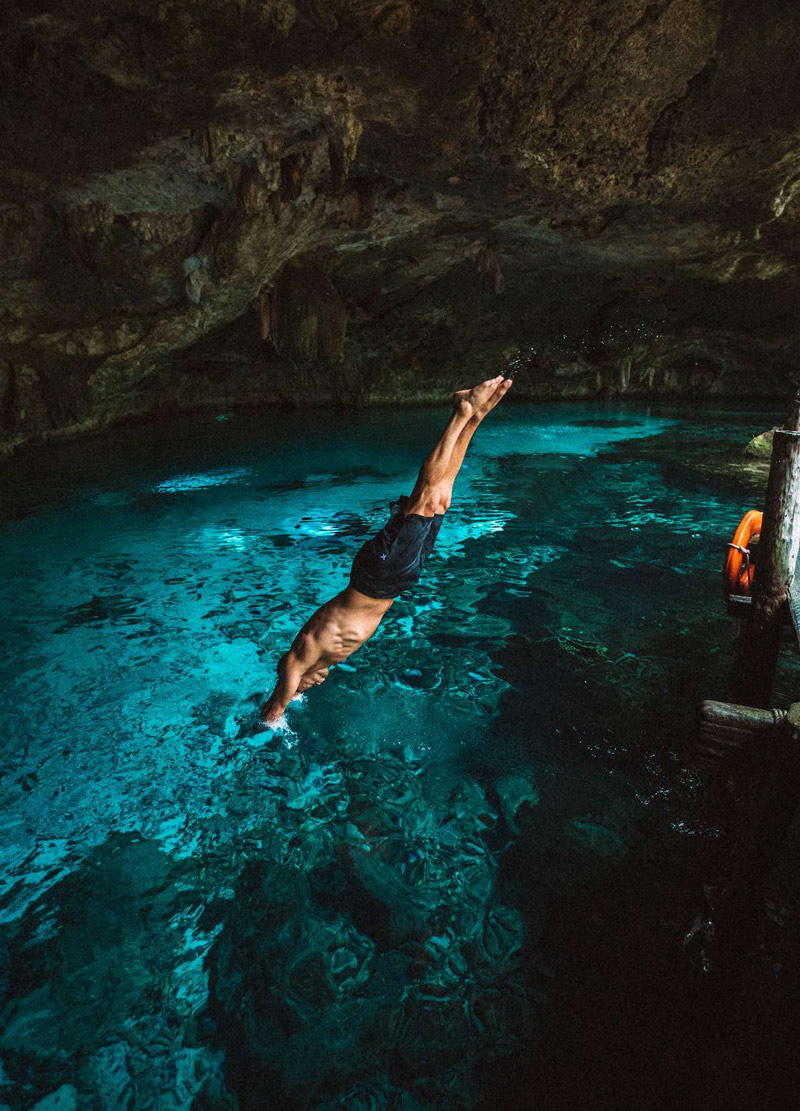
Central to the IKTAN masterplan are two cenotes described as “grand” in promotional materials. These geological features—collapsed limestone formations that expose the underground river system running beneath the Yucatán Peninsula—carry both ecological and cultural significance.
Cenotes have historically served as sacred sites for Maya communities. They also function as critical access points to the region’s freshwater aquifer, which supplies drinking water to millions of residents and visitors across Quintana Roo.
Development near cenotes is regulated, but enforcement has been inconsistent. Environmental groups have raised concerns about contamination risks when construction occurs too close to these formations. Septic systems, chemical runoff, and increased foot traffic can all degrade water quality. Responsible tourism products
The IKTAN project’s emphasis on cenotes as design anchors raises questions that prospective buyers and community members may want answered: What buffer zones are planned? How will wastewater be managed? What independent monitoring will verify that the aquifer remains uncontaminated?
These questions are not unique to IKTAN. They apply to virtually every development in the region. But a project that centers cenotes in its identity invites closer scrutiny of how those features will be protected.
Can pre-construction transparency change how Tulum’s real estate market operates—or is it simply a more sophisticated form of the same promises?
Give us some love!
1Updated on: December 17, 2025